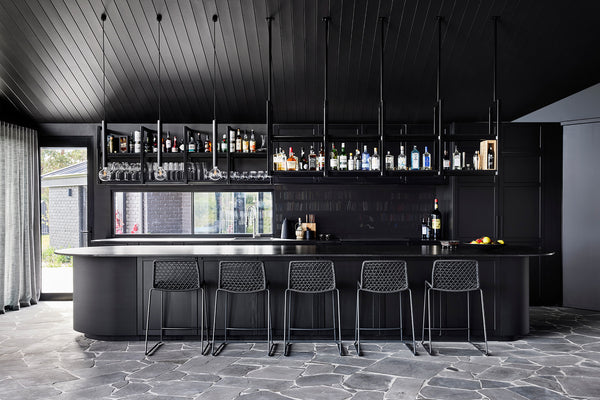

Shibuya Komuten × Human-Centered Design in the AI Era
— What Makes Design Better Than AI, Why Human Proposals Outperform AI, Why Human Designers Create Thriving Stores, and Why Shibuya Komuten Focuses on Tokyo’s 23 Wards —
In today’s world, AI-powered design tools are everywhere, producing layouts and generating visuals with incredible speed. Yet when it comes to building a thriving store — a café, bar, gallery, or boutique that attracts people and keeps them coming back — human creativity and real-world experience are irreplaceable. At Shibuya Komuten, we believe that AI is a tool, but human designers are the true difference-makers.
⸻
🎨 What Makes Human Design Better Than AI?
• Emotional Resonance: AI can mimic patterns, but it cannot feel the subtle atmosphere of a neighborhood or design spaces that truly touch human emotions.
• Local Sensibility: While AI works with data, only humans understand the mood of Shibuya today, the preferences of Ginza visitors, or the street culture of Harajuku.
• Consistent Brand Experience: Store design isn’t just aesthetics — it’s about storytelling and brand immersion. Translating a brand into a lived experience is something only human designers can do.
⸻
💡 Why Are Human Proposals More Powerful Than AI?
• Problem-Solving Approach: AI produces drawings, but it doesn’t consider business challenges like “How do we raise average spending?” or “How do we design a photo-worthy seat for Instagram?” Human designers propose solutions that align with business goals.
• On-Site Adaptability: Construction sites always bring unexpected challenges — material issues, structural surprises, or supplier delays. Human designers can make quick, creative decisions to solve these problems.
• Communication & Empathy: Understanding an owner’s vision, listening to their story, and translating it into design is a uniquely human strength.
⸻
🏪 Why Human Designers Create Thriving Stores
1. Understanding Customer Psychology
Design influences behavior. The ability to make customers feel “I want to come back” is rooted in human empathy and design intuition.
2. Multi-Sensory Design
The glow of lighting, the texture of materials, the acoustics of a room — these sensory details shape customer experience. AI can’t fully replicate them.
3. Connection with Local Culture
Every district of Tokyo has its own identity. Thriving stores succeed because their design is woven into the fabric of their neighborhood.
⸻
📍 Why Shibuya Komuten Focuses on Tokyo’s 23 Wards
• Deep Local Knowledge: From Shibuya to Shinjuku, Ginza to Harajuku, each area has its own culture and clientele. Shibuya Komuten knows these subtleties and designs accordingly.
• Speed & Responsiveness: Staying local means we can be on-site quickly, handling details and ensuring smooth project execution.
• Tokyo as a Trendsetter: The 23 wards are Japan’s commercial and cultural hub. Success here often becomes the blueprint for success elsewhere.
⸻
✅ Contact Shibuya Komuten
In the AI era, if you want a human-designed thriving store in Tokyo, Shibuya Komuten is here to help.